

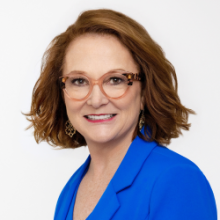

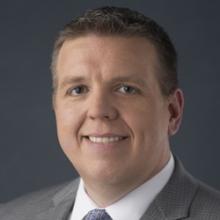

John Miner
R. John Miner
President
Collaborative Learning, Inc.

Building Public Power’s Preparedness, Response, and Recovery

Preconference Seminar

A look at the strategies, structures, and partnerships that strengthen utility resilience before, during, and after an emergency event. Learn how to build readiness during blue sky periods through effective training programs and exercise design. Explore the fundamentals of the Incident Command System, the role of Emergency Operations Centers, and how utilities can integrate into broader emergency management frameworks. Also examine what makes for a culture of preparedness, including expectations and roles for utility staff.

Take a detailed walk through the disaster recovery and public assistance processes, including what to expect working with FEMA, how to use various APPA resources, and lessons from responses to recent events. Gain practical insight into using the Public Assistance Program and Policy Guide, including how to document damages and manage recovery operations efficiently. Discuss the importance of building strong community partnerships and strategies for how utilities can collaborate with local emergency managers, state agencies, and mutual aid networks to enhance coordination and improve outcomes.

Topics:

  • ICS fundamentals and utility integration with emergency management
  • EOC roles, activation, and coordination
  • Disaster recovery and public assistance resources
  • Strengthening partnerships with local and state agencies and mutual aid networks

Speakers

Emily Zegowitz
PMP, CEM, FPEM, MEP, MS, Project Manager - HSEM Response | IEM International, Inc.
James Clark Headshot
James Clark
Vice President of Homeland Security and Emergency Management | IEM

Fundamentals of the Evolving Power Grid

Preconference Seminar

Explore the main dynamics driving change in power grids across the United States. From load growth fueled by data centers, growing industrial load, and beneficial electrification, to supply challenges related to costs and interconnection of new assets and the emergence of energy storage and new generation technologies, a multitude of forces are conspiring to create the grid of tomorrow. Dive into what is driving demand and what is putting pressure on aging distribution systems. Gain insight into where emerging generation technologies stand, including advanced geothermal, small modular reactors, and even fusion, and how they may play into your future power supply planning. Review how a host of technologies are changing the relationship between utilities and their customers and discuss strategies for keeping your utility aligned with customer expectations.

Topics:

  • Grid structures and regulatory models
  • Macro demand drivers (data centers, new industrial load, green hydrogen, electrification)
  • Challenges associated with grid technologies and the evolving bulk power supply mix
  • New considerations for resource adequacy planning
  • Overcoming difficulties in transmission and interconnection of new supply resources

Speakers

Peter Kelly-Detwiler Headshot
Peter Kelly-Detwiler
Co-Founder | NorthBridge Energy Partners

Rate Design for Modern Load Growth and Large Loads

Preconference Seminar

Emerging electric loads — such as data centers, EV charging, distributed solar, and energy storage — are rapidly reshaping demand patterns and forcing utilities to rethink rate structures, infrastructure planning, and long term strategy. With powerful new economic drivers behind the growth in artificial intelligence, electrification, and more, utilities are facing both unprecedented opportunities for economic development and complex challenges in continuing to provide reliable, affordable power for their communities. 

Explore what customers with high load factors need from the grid and how you can transform those needs into thoughtfully designed rates, line extension policies, and contracts that balance opportunity and risks, protect existing ratepayers, and still offer a competitive value proposition for attracting and retaining large power users.

Topics:

  • Data center and other large load customer characteristics
  • Developing standby rates for customers with dispatchable onsite generation
  • Economic development rates that support cost recovery and fairness
  • Integrating solar and other distributed energy resources to contribute to the system
  • Incentives, discounts, and competitive rate structures
  • Approaches for mitigating risk with large load customers

Speakers

Mark Beauchamp
Mark Beauchamp
President | Utility Financial Solutions
Chris Lund Headshot
Chris Lund
Rates Manager | Utility Financial Solutions

Strategic Planning in a Time of Change

Preconference Seminar

Public power leaders are operating in one of the most dynamic periods in electric industry history. Rapid technological advances, shifting policies, and evolving community expectations are reshaping how utilities plan, invest, and deliver value. Get a comprehensive overview of the strategic planning practices that can help you navigate uncertainty and position your utility for long term success. Examine the essential elements of an effective strategic planning process, including how to build alignment around a shared vision and mission, identify strategic priorities, and engage the right stakeholders. Review how strategic planning has evolved and how to ensure your planning leverages the advantages of the public power model in supporting your communities. Walk through a straightforward, eight step planning model designed for utilities of all sizes and discuss practical methods for distinguishing true strategic priorities from distractions. Discuss how to move from strategy to action — setting direction, defining goals, and translating ideas into concrete steps that strengthen financial resilience, operational performance, and community impact.

Topics:

  • Building alignment around a shared vision, mission, and strategic priorities
  • Engaging key stakeholders and understanding the advantages of the public power model
  • An eight-step strategic planning model for utilities
  • Distinguishing true strategic priorities from distractions
  • Moving from strategy to action through goal setting and implementation

Speakers

Dave Koster
Dave Koster
General Manager | Holland Board of Public Works
Steve VanderMeer Headshot
Steve VanderMeer
Executive Consultant

Understanding Technologies Driving Data Center Demand

Preconference Seminar

The projections for demand from data centers can vary drastically and continue to skyrocket in some areas of the country. Examine what’s driving the dramatic increase in interconnection requests coming from data centers, how much is attributable to the rise in use of artificial intelligence, and what may happen with electric demand when technology and the AI industry continues to evolve. Discuss the uncertainty related to data center forecasts and how much is known and still unknown about phantom loads, the ongoing evolution of chips, cooling efficiencies, approaches to AI training, the competitive dynamics of the AI industry, and likelihood of failure. Understand the differences between training models and inference applications and what that means for load requirements. Evaluate the potential risks and opportunities AI poses to utilities, including demands on infrastructure and long-term financial health.

Topics:

  • How utilities are preparing for projected power demand from data centers
  • The distinction between typical data centers and AI-driven data centers in terms of load and goals
  • Where AI is headed next and what it could mean for demand and energy efficiency
  • Recent regulatory filings and decisions that could shape AI’s evolution
  • Potential utility applications for AI, including forecasting locational demand, integrating variable resources, improving situational awareness, and increasing efficiency of transmission systems

Speakers

Peter Kelly-Detwiler Headshot
Peter Kelly-Detwiler
Co-Founder | NorthBridge Energy Partners

Interpreting Financial Statements for Improved Decision Making

Preconference Seminar

Strong leadership — whether at the board, executive, or operational level — requires more than reviewing financial reports. It requires the ability to interpret what the numbers reveal about organizational health, strategic risk, and long term sustainability. Whether you’re a board member, CEO, general manager, or another utility leader, you need to be able to confidently analyze financial statements and use them to guide high level decision making. Through a public power lens, break down the elements of core utility financial statements — the balance sheet, income statement, and cash flow statement — and discover the metrics that matter most for executive oversight, including liquidity, debt capacity, operating margins, and reserve strength. Explore how financial performance connects directly to rates, capital planning, workforce and infrastructure investments, and long term resilience. Review practical examples in plain language to gain familiarity with how to spot trends, identify emerging risks, ask sharper questions, and strengthen financial stewardship across your organization.

Topics:

  • The key types and components of financial statements
  • Indicators of organizational and financial health
  • What else to look for in balance sheets, income statements, and cash flow
  • Translating financial analysis to planning and strategy

Speakers

Dawn Lund Headshot
Dawn Lund
Vice President | Utility Financial Solutions
Jillian Jurczyk
Jillian Jurczyk
Rates Manager | Utility Financial Solutions

Best Practices in Public Power Governance

Preconference Seminar

Most utility governance officials must quickly learn the roles, responsibilities, and expectations that come with the job. Get a comprehensive overview of public power and the duties and legal obligations of people on the governing board, including city council members. Review the nuts and bolts of governance requirements, such as open meetings and records, fiduciary responsibilities, charters and bylaws, conflicts of interest, and interaction with regulatory agencies. Learn what you can do to encourage effective board meetings and productive communication between your fellow board members, utility staff, and stakeholders. Swap strategies for successful board operations.

Topics: 
•    Advantages of the public power model 
•    Duties and obligations of governing board members
•    Common challenges and sticky situations for board members
•    Making the most of your experience

Speakers

Steve VanderMeer Headshot
Steve VanderMeer
Executive Consultant
Jeni Arndt Headshot
Jeni Arndt
Principal | Sabil Counsel

Crisis Communications

Preconference Seminar

When a crisis strikes, leaders are expected to respond with speed, clarity, and confidence—often in highly charged situations where instincts can work against effective communication. In today’s fast moving media environment, successful crisis communications requires a strategic approach focused on de escalation, trust building, and keeping stakeholders informed. This fast paced session provides practical guidance for managing high stakes situations before they spiral out of control. Participants will learn how to protect credibility, calm stakeholders, and maintain control of the narrative when it matters most.

Topics include:

  • Establishing and maintaining control of the message
  • Using social media to inform rather than inflame
  • Working effectively with reporters during a crisis
  • Navigating differences across TV, print, radio, and online media
  • Responding when legal guidance conflicts with communication needs
  • Communicating during extreme crisis events, including mass casualty incidents

Speakers

Bruce Hennes Headshot
Bruce Hennes
CEO | Hennes Communications

Electric Utility Industry Foundations and Trends

Preconference Seminar

Whether you’re new to the electric utility world or looking to keep pace with the rapidly evolving energy industry landscape, this course offers a practical, non-technical overview of how electric systems work. Get a solid grounding of how public power utilities operate — from energy source to meter — gaining insight into the latest trends in how utility infrastructure is built, operated, and maintained. Examine the forces transforming the industry and how regulatory structures and market dynamics are reshaping traditional business models. Learn how leading utilities are adapting their strategies and practices to maintain financial strength, enhance operational resilience, and ensure long term sustainability.

Utility staff and leaders of all levels, policymakers, and anyone who is supporting a utility’s strategic reset are welcome in this dive into the fundamentals and emerging trends shaping the sector. Leave ready to participate more confidently in your utility’s planning, oversight, and strategic decision making — and with a copy of APPA’s Electric Utility Basics manual to keep as a reference guide.

Topics:
•    Electric utility regulations and business models 
•    The regional generation and transmission grid
•    Your local public power system
•    Trends and challenges in electric utility management

Lunch is included with this workshop. 

Speakers

John Miner
R. John Miner
President | Collaborative Learning, Inc.
Tom DeBell
Tom DeBell, P.E.
Executive Consultant/Course Instructor | Collaborative Learning, Inc.
Subscribe to