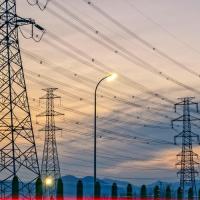
The Senate Environment & Public Works Committee on Jan. 28 held a hearing to examine federal environmental review and permitting processes.
When Winter Storm Fern affected New England, petroleum was the predominant energy source starting around midday on January 24 and lasting until early morning on January 26. Since then, petroleum and natural gas have been fluctuating as the primary energy source, the U.S. Energy Information Administration reported on Jan. 29.
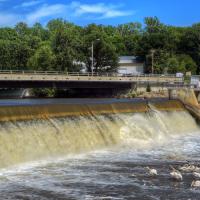
FirstLight, a clean power producer, developer and energy storage company, on Jan. 29 announced the expansion of the company’s landmark municipal utility power purchase agreement with Energy New England.
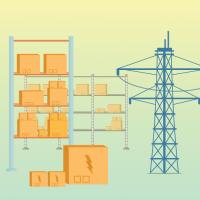
Utilities and grid operators are focused on making sure the electric grid can always meet demand. This is called resource adequacy. Ensuring resource adequacy involves short- and long-term planning, coordination, and maintenance. Here’s a breakdown of key factors and challenges behind resource

The Environmental Protection Agency on Jan. 28 issued its proposal to approve interstate transport state implementation plan (SIP) submissions from eight states -- Alabama, Arizona, Kentucky, Minnesota, Mississippi, Nevada, New Mexico, and Tennessee -- for the 2015 8-hour ozone national ambient air quality standard (NAAQS).
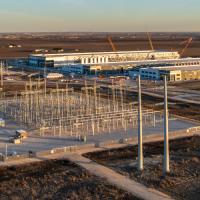
A look at how and where data centers are affecting the capacity landscape and what public power is doing in the face of these new large loads.