Looking for research and development projects made possible through DEED grants and scholarships? Check out the DEED Project Database.
Trying to find information about specific public power utilities? If you are member, check out the Public Power Directory.
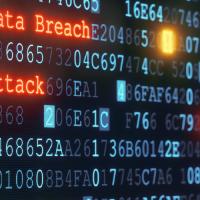
Working remotely during the COVID-19 pandemic has been a lifesaver, but it has also brought new threats.
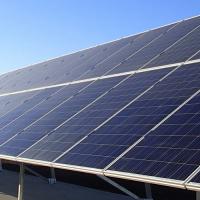
Santee Cooper and Central Electric Power Cooperative have begun a bid process seeking to purchase up to 500 megawatts (MW) of new utility-scale solar power through several projects to be built across South Carolina.
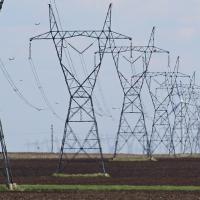
The Federal Energy Regulatory Commission on July 8-9 will hold a technical conference to consider the impacts that the COVID-19 pandemic are having on various segments of the country’s energy industry.
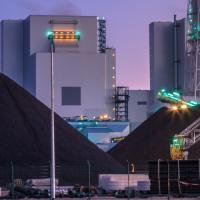
City Water, Light & Power (CWLP), the public power utility of Springfield, Ill., could host one of the biggest carbon dioxide capture research projects in the world, depending on the outcome of a Department of Energy (DOE) grant.

The Environmental Protection Agency (EPA) on June 1 issued its final Clean Water Act (CWA) section 401 rule to clarify timeframes for water quality certification, the scope of certification review and conditions and related certification requirements and procedures.
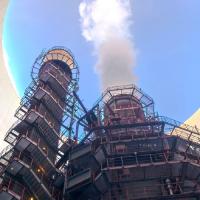
The American Public Power Association and several utility and nuclear industry stakeholders recently urged the chairman and ranking member of the Senate Armed Services Committee to include legislation that would accelerate the commercialization of a new generation of nuclear reactors in the fiscal year (FY) 2021 National Defense Authorization Act (NDAA).
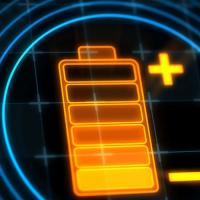
Independent power producer Broad Reach Power plans to build 15 utility-scale battery storage plants totaling 150 megawatts (MW) in areas near Houston and Odessa, Texas.
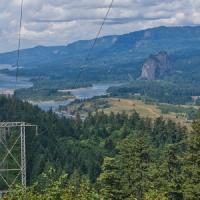
The California Community Choice Association expressed disappointment in a California Public Utilities Commission decision that designates Pacific Gas & Electric and Southern California Edison as central buyers to procure local, multi-year resource adequacy.
Working remotely during the COVID-19 pandemic has been a lifesaver, but it has also brought new threats. Working from home allows people to minimize social interaction, which limits and slows the spread of COVID-19. But, as highlighted in a recent alert from NERC, the power industry “is in a period of heightened cyber risk due to a large contingent of industry employees working remotely.”
The U.S. solar market installed 3.6 gigawatts (GW) of new solar photovoltaic (PV) capacity in the first quarter of 2020, representing its largest first quarter ever in the U.S.