Looking for research and development projects made possible through DEED grants and scholarships? Check out the DEED Project Database.
Trying to find information about specific public power utilities? If you are member, check out the Public Power Directory.
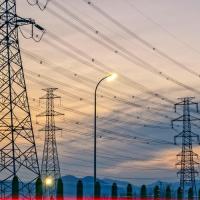
Duke Energy on Aug. 14 asked state and federal regulators for permission to combine its two electric utilities in the Carolinas.

The U.S. Federal Highway Administration on Aug. 11 published Interim Final Guidance for the National Electric Vehicle Infrastructure (NEVI) Formula Program.

Michigan public power utility Traverse City Light & Power earned high marks in its 2025 Residential and Commercial Customer Satisfaction Study, conducted by GreatBlue Research, with results 10-15 percentage points above national public power averages, it said on Aug. 13.
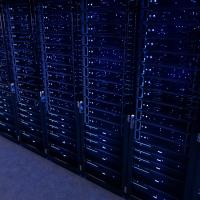
Galaxy Digital Inc., a digital assets and datacenter infrastructure company, on Aug. 15 announced the closing of a $1.4 billion project financing facility to support the continued development of its Helios datacenter campus in West Texas.

General Manager Randy Howard on Aug. 15 announced his intention to retire from the Northern California Power Agency in the first quarter of 2026.
The Minnesota Public Utilities Commission on Aug. 14 approved a site permit for the Snowshoe Energy Storage Project, a 150-megawatt stand-alone battery storage facility proposed by Snowshoe BESS LLC.

Through a new power purchase agreement between Kairos Power and the Tennessee Valley Authority unveiled on Aug. 18, Kairos Power’s Hermes 2 Plant in Oak Ridge, Tenn., will deliver up to 50 megawatts to the TVA grid that powers Google data centers in Tennessee and Alabama.
The White House Office of Management and Budget Office’s (OMB) Office of Information and Regulatory Affairs (OIRA) on August 11 posted a notification on its regulatory dashboard that the White House Council on Environmental Quality (CEQ) has sent a draft final repeal rule entitled, “Removal of National Environmental Policy Act Implementing Regulations,” to OIRA for interagency review.

Utilities face several challenges as they address an increasing number of outages. About 83% of major U.S. power outages between 2000 and 2021 were driven by weather-related events, according to Climate Central. As customers grapple with these rising power interruptions, 65% report that they’re frustrated with utilities’ impersonal communications. However, utilities can now address this communications challenge by taking advantage of AI. Rather than simply reacting to outages as they happen, power providers can embrace intelligent, customized, and proactive messaging that humanizes these crises for their customers.