
Looking for research and development projects made possible through DEED grants and scholarships? Check out the DEED Project Database.
Trying to find information about specific public power utilities? If you are member, check out the Public Power Directory.

The newly appointed leader of the Los Angeles Department of Water and Power shares her vision for engaging and supporting the community.

A look at how utility programs in Los Angeles have affected its various communities and the strategies to ease the burden on disadvantaged communities amid system change.

How the Snohomish Public Utility District in Washington tested three rate design structures and what it learned in the process.

What nearly 50 years of studies and programs on dynamic rate designs has taught us about the connection between pricing, technology, and customer behavior.

What makes for meaningful employee engagement and what leaders can do to better support and motivate their employees.
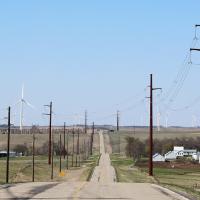
Bandera Electric Cooperative, in collaboration with the Lower Colorado River Authority, recently announced that its aggregated distributed energy resource program, known as a virtual power plant, successfully qualified for participation in the Electric Reliability Council of Texas wholesale power market.
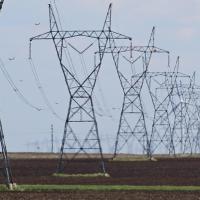
Louisiana public power utility Lafayette Utilities System recently received approval from the Lafayette, La., City Council to donate 130 poles to the Navajo Tribal Utility Authority as part of the Light Up Navajo initiative.
The California Independent System Operator on Sept. 7 issued a heat bulletin due to the continuance of above-normal temperatures and increased electricity demand into this week for California.
Massachusetts and Rhode Island announced on Sept. 6 the selection of 2,878 megawatts of offshore wind in the first coordinated procurement of its kind.

A draft report prepared by the Brattle Group for the New York State Energy Research and Development Authority said that advanced nuclear technologies “could offer attractive possibilities for New York, with its scalability, economic development, low land use, and potential applications of process heat” and may represent an opportunity for additional grid capacity “to support an electrifying economy, that can complement New York’s buildout of renewables.”