
Looking for research and development projects made possible through DEED grants and scholarships? Check out the DEED Project Database.
Trying to find information about specific public power utilities? If you are member, check out the Public Power Directory.

How APPA and other public power representatives liaise with industry and the federal government to help protect the North American electric grid.
July 18, 2026

The American Public Power Association conducts surveys to gather information about public power utilities to identify trends in the industry, understand emerging issues, and help our members benchmark various aspects of their operations. The data we collect in our surveys help create a variety of
March 4, 2022

Resources and information on how utilities are preparing for and managing growing data center load.
July 28, 2026

Resources and examples to help public power utilities evaluate and adopt AI effectively.
August 13, 2026

The American Public Power Association’s Smart Energy Provider (SEP) program recognizes utilities for demonstrating a commitment to and accomplishment in smart energy program planning, energy efficiency, and distributed energy resources, environmental and sustainability programs, and communication
August 5, 2019

The utilities demonstrating core cybersecurity practices, preparation, and capabilities that support reliable and resilient operations.
October 14, 2026
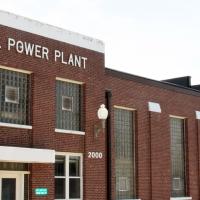
Public power utilities are community-owned, not-for-profit electric utilities that safely provide reliable, low-cost electricity to more than 55 million Americans, while protecting the environment. Homes and businesses in 2,000 communities across the U.S. — large cities like Austin, Nashville, Los
March 11, 2017

The member organizations that support public power in a certain state or region.
July 12, 2023

If you live in a public power community, it means you own your electric utility and can participate in running it. It means you benefit from affordable energy, better service, and a utility that cares about the overall well-being and growth of your community. Click on any state below to find out if
July 21, 2017
As APPA members, joint action agencies can access a wealth of educational, technical, and policy benefits, including resources and opportunities created specifically for them. Resources Leverage materials like the Joint Action Agencies Fact Sheet (PDF, 545 KB) and Joint Action Agency Statistics and
October 27, 2026