As community-based providers, public power utilities prioritize local connection. A commitment to local service extends beyond delivering reliable electricity across their service areas to ensuring their communication and customer outreach are responsive to customer needs. From ensuring a visible presence in communities to having a listening mindset and focusing on education, public power utilities are strengthening their connections to the community and gaining public trust.
Community Awareness
For several public power utilities, establishing a strong community presence begins with a concerted effort to distinguish themselves as local, non-profit providers, instead of the corporations customers often assume utilities are.
“Our message, our whole business model is to be community-powered,” said Valerie Clemmey, marketing and communications manager at Shrewsbury Electric & Cable Operations in Massachusetts. “We’re here for the community.”
SELCO and many other public power utilities are taking creative approaches designed to reach all customers — and strengthen feedback loops. These have included age-tailored initiatives such as creating calendars of fourth grade students’ artwork about energy efficiency and other topics, teaching electrical safety in schools, launching community volunteer programs for employees, offering internships to local high schoolers, and sending newsletters.
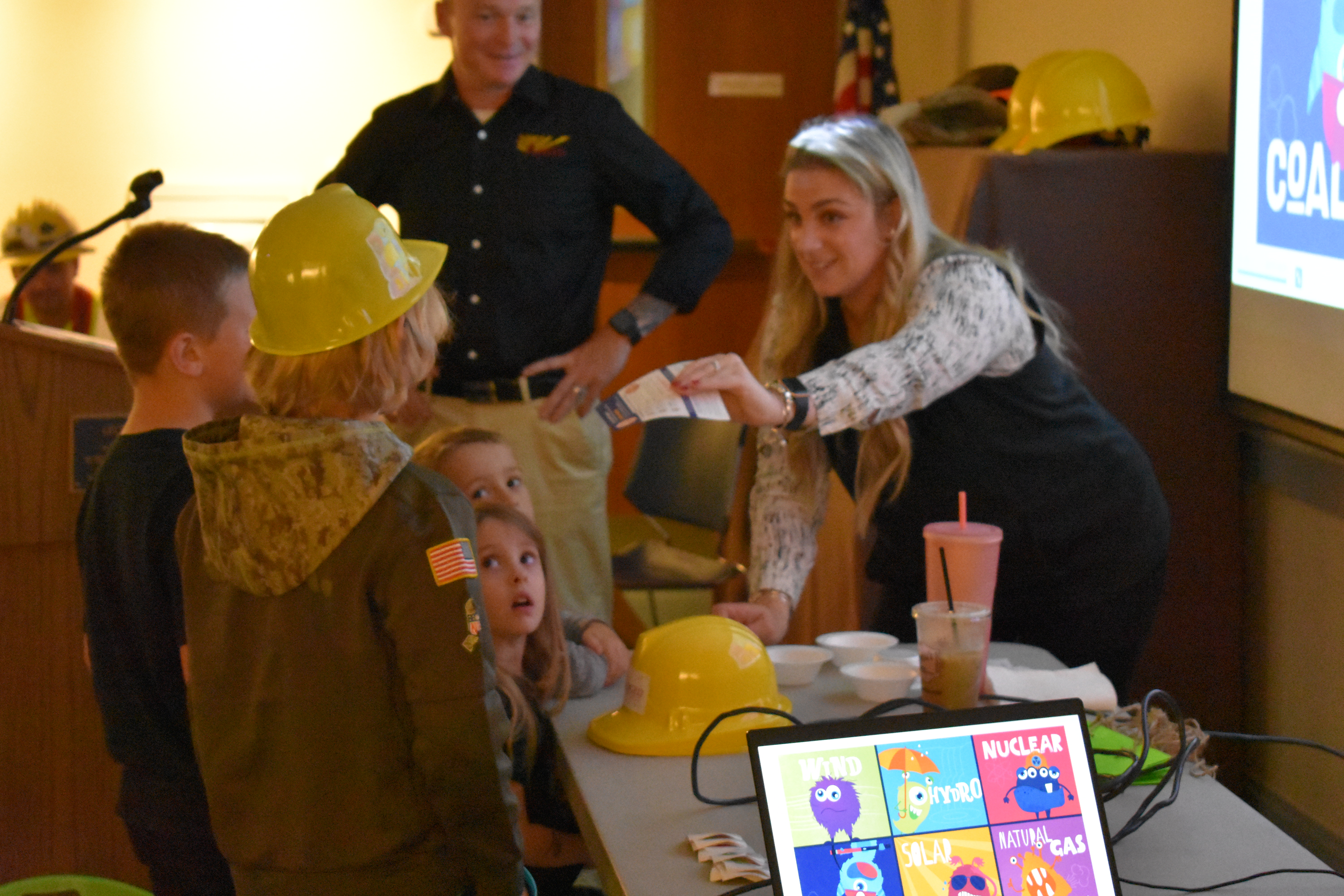
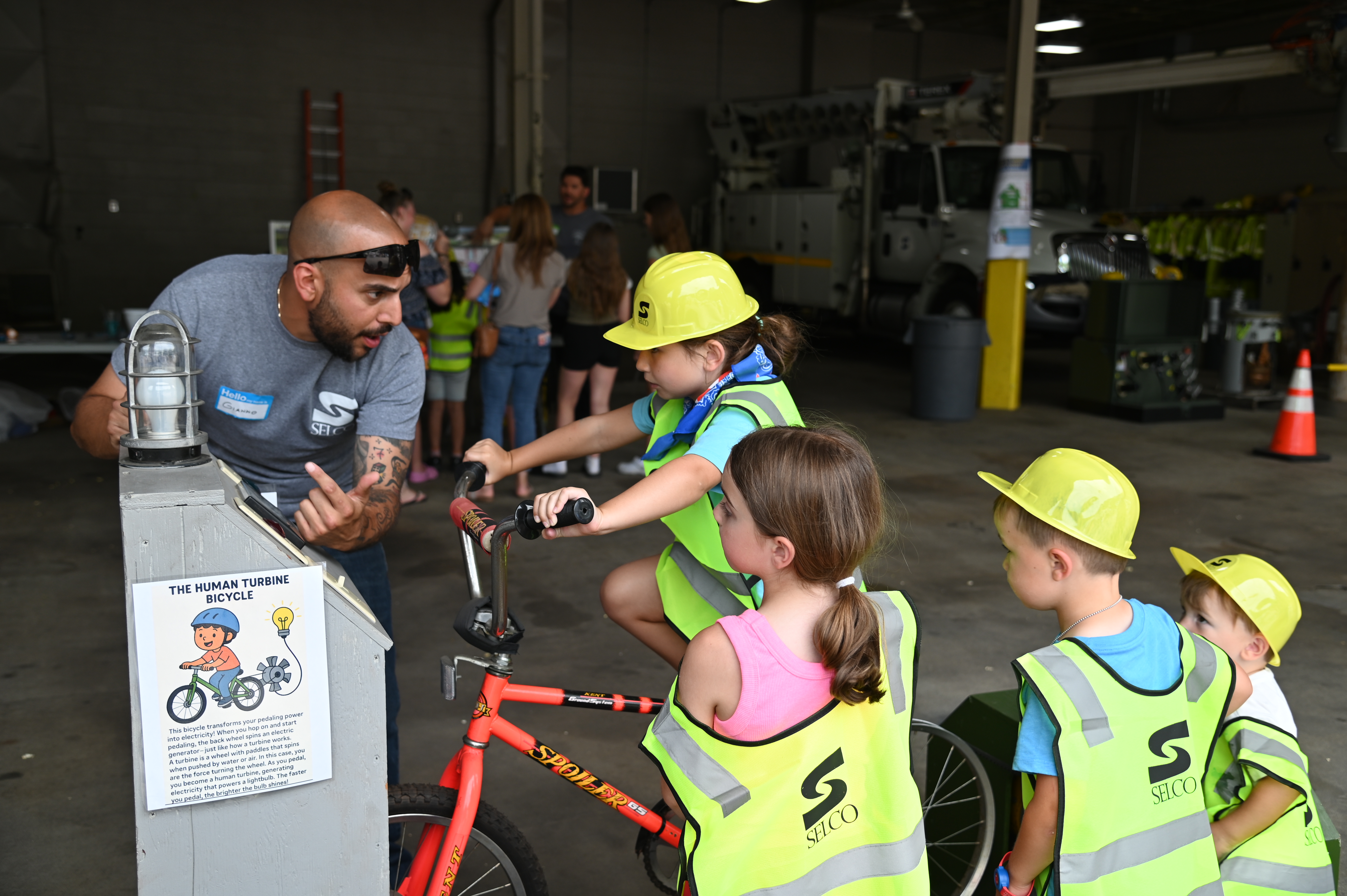
SELCO’s community events aim to reach customers of all ages and demographics. They include story time at the local library for kids and parents. At another event, utility personnel demonstrate to children and their parents what it’s like to be a lineworker, including showing and letting them touch SELCO’s bucket truck.
At local middle and high schools, SELCO attends career fairs to give students a sense of the different roles they could serve at the utility. The fair helps SELCO develop a close connection to the community and demonstrates investment and accountability. SELCO also visits fourth grade classrooms to teach children about electric safety.
For Middleborough Gas and Electric Department in Massachusetts, initiatives have included a drawing contest designed to reach both children and their parents, said Dani Taylor, energy services/communications supervisor at MGED.
The utility begins by showing fourth graders line trucks, explaining the role of lineworkers, and giving students an hourlong presentation on safety, efficiency, and other issues. MGED also sends the children home with materials about these programs to share with their parents. The utility then asks students to participate in a drawing contest about what they’ve learned. Thirteen drawings are chosen for the calendar — one for each month plus the winner, which is featured on the cover.
The colorful drawings from the kids convey energy efficiency measures and how to stay safe around natural gas and power lines.
“We tie in a lot of education about public power utilities — that we’re community owned, reliable, and affordable,” Taylor said. “We also show them that as they grow up, if there’s an interest, they could work right here for us in their town.”
Parents say their children talk more about this program than anything else they’ve learned at school, Taylor said.
MGED also offers internship programs for juniors and seniors in high school, with some of these interns later being hired for full-time jobs. The cooperative internship program, offered through Bristol-Plymouth Regional Technical School, was designed to develop partnerships between industry and vocational/technical education institutions to enhance the employability of high school students.
MGED recently rolled out an employee volunteer program that helps the utility further connect with the community. For her part, Taylor plans to volunteer at the local animal shelter and walk dogs to take advantage of the four-hour volunteer program.
Community events are another way MGED sustains visibility with its customers. When the utility attends or organizes community events, it shares information about rebate programs for Energy Star appliances, battery-powered lawn equipment, weatherization, heat pumps, EV chargers, and solar power. The utility also spreads the word about these programs in quarterly bill stuffers and electronic newsletters.
Taylor said the message MGED wants to share is, “We are here for the community. We’re reliable, safe, affordable, and it’s special to have a public power company in your community.”
Refining Strategy
Being a prominent local institution that touches all parts of the community can lead to an abundance of requests that take away from the primary focus of the utility’s services.
For Fayetteville Public Works Commission in North Carolina, it recently reexamined its outreach strategies when its chief executive officer challenged the utility to take a hard look at how effective its communications and community events were, said Nicole Stiff, community relations manager at Fayetteville PWC.
“We started asking ourselves, ‘Why are we doing these things? Do these things really serve PWC and its customers?’” she said. The team members felt they had boxed themselves into a rigid way of thinking about how they communicated with customers and held community events.
Before this change, the team rarely turned down invitations, she said. The utility decided to become more strategic about when to say yes, including when to give out sponsorship dollars.
The community relations team now explains upfront why the utility might attend an event and focuses on ensuring the event accomplishes the utility’s goals. In addition, community relations personnel seek data points to demonstrate how certain events benefit the community and utility.
Fayetteville PWC developed criteria for events and entities requesting sponsorship dollars, saying it will participate in or support “activities and events that advance both a public purpose and the objectives of Fayetteville PWC.” The utility also created a request form outlining various ways it can support the community.
After implementing those changes, the utility’s sponsorships have included Fayetteville Dogwood Festival, the town’s minor league baseball team, and a minor league hockey team, plus an event for Habitat for Humanity.
For the Dogwood Festival sponsorship, Fayetteville PWC’s brand is displayed in all event advertising and promotions. The public power utility also has a tent where it hands out water and fans to attendees.
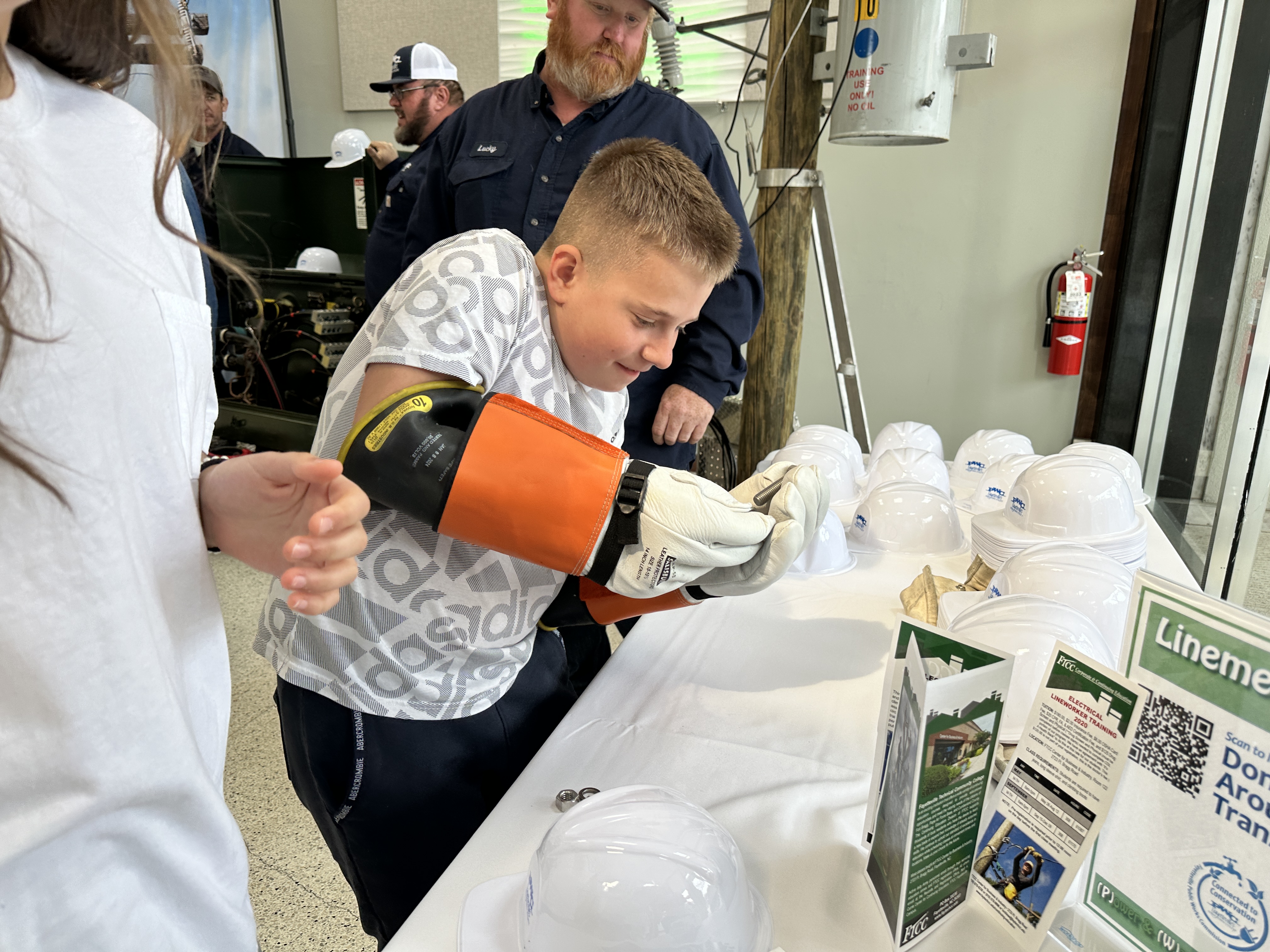
“We really like doing any kind of event where we can get face-to-face time with our customers, because that’s really some of the best opportunities that we have to talk with them about whatever issues they’re having or if they don’t understand how something works,” Stiff said.
At these events, Fayetteville PWC distributes information about its incentive programs, which help fund efficiency upgrades that can save customers money.
PWC Day, which occurs twice a year, is also an impactful community event, Stiff said. Designed to provide education and engagement, build transparency, and foster trust, it offers a behind-the-scenes look at how the public power utility operates. The October event has a theme focused on electricity, and events include a tour of the utility’s generation and operations complex, live demonstrations by lineworkers, and question-and-answer panels with staff members.
Prioritizing Feedback
SELCO has 20 events scheduled for 2026, including an Arbor Day event and an open house. At the April Arbor Day event, SELCO gave customers 500 native trees — all purchased from a local business — and explained how properly placed trees can help lower bills by reducing air conditioning costs.
“We really like to put our faces out there and connect with people at the Arbor Day event, and it’s really enjoyable,” Clemmey said.
The annual open house gives customers an opportunity to get a direct window into the utility’s operation areas and how it serves the community. At the same time, it gives SELCO a chance to answer customers’ questions about priority areas.
The event, which has grown every year, includes tours of a substation, kids’ activities, information about advanced metering infrastructure, and, for the first time, test drives of electric vehicles.
SELCO is a two-time Public Power Customer Satisfaction Award winner, which recognizes utilities that receive top marks from customers on overall service, communication, response, and more. Clemmey is presenting at APPA’s National Conference in June on the strategies and operational priorities that have supported SELCO’s continued top marks.
Part of that effort is ensuring a proactive, responsive approach to customer concerns, which leads to fewer complaints and questions, she said.
“Some customers are concerned about AMI meters and possible radiation and data privacy issues,” Clemmey gave as one example. The utility provides information on its website, in person, and through one-on-one conversations that reassures customers about how AMI advances service quality and doesn’t have harmful effects.
Other events and information are structured around another area of interest in the community: electrification.
Last year, Shrewsbury had the highest number of EV drivers in Massachusetts, aided by SELCO’s efficacy in communicating about electrification, rebate offers for EVs and EV chargers, and publicizing its installation of four local charging stations.
“We definitely focus on electrification every chance that we get,” Clemmey said.
The utility has also held one-off events, such as induction cooking demonstrations and a heat pump forum, to teach customers about the benefits of electrification.
SELCO has also expanded its communication channels to include both a printed quarterly newsletter delivered to customers’ homes and an email newsletter sent to customers who request it.
“Our messaging really hones in on the public power utility model and really stresses the difference that we have compared to investor-owned utilities,” Clemmey said.
The printed newsletter mailed to customers has proved to be a highly effective way to share information about the utility and its programs.
“There’s just so much digital communication these days. When you know that it’s actually going where you want it to go — to every home and business in our town — I think that’s really a good way to get out there these days,” she said.
All opportunities to connect with the community help build pride in the utility and showcase the responsive nature of the public power model.
As MGED’s Taylor said, “I love working for a public power utility with coworkers and the community. I feel passionate about the public power model, working for a utility, and showcasing its benefits to the community. It’s a really special thing that we shouldn’t take for granted.”