Strategic Distribution System Management for the Modern Grid

Preconference Seminar
.3
CEU
3.25
PDH
4.0
CPE

A public power utility’s distribution system is its most visible and valuable asset. It is essential to business success and connected to every customer. In addition to delivering energy safely, affordably, and reliably to a traditional electrical load base, today’s distribution system must be robust in its capacity and resilience to support an increasingly electrified economy. This includes connection points and capacity for large data center loads, throughput for distributed energy resources, and infrastructure for communications and information management systems. This seminar will cover both technical and business aspects of strategic planning and proactive investment necessary to manage the system’s capacity for growth, reliability, and resilience to achieve the vision of a fully supported local economy at the lowest total cost of ownership. 

Topics

  • Trends in distribution system management (e.g., reliability, automation, costs)
  • Best practices for analyzing system performance
  • State-of-the-art planning approaches and tools
  • New technologies in infrastructure condition assessment and life extension
  • Overhead and underground component lifecycle management
  • Economic models to support financing system updates

Speakers

Tom DeBell
Tom DeBell, P.E.
Executive Consultant/Course Instructor | Collaborative Learning, Inc.
John Miner
John Miner
President | Collaborative Learning
Benjamin Lanz
Benjamin Lanz
Senior Director of Industry & External Affairs | Osmose

Conducting Thorough Incident Investigations

Preconference Seminar
.3
CEU
3.25
PDH
4.0
CPE

Gain the knowledge and tools necessary to conduct thorough incident investigations, including overseeing effective root cause analyses. Truly understanding the underlying causes of workplace incidents creates the foundation for implementing corrective actions that prevent future occurrences. Walk through what to do and expect in the entire investigation process, from initial response and data collection to analysis, reporting, and follow-up. Learn the latest suite of incident investigation techniques and root cause analysis methods and review tools for data collection and documentation. Discover how to effectively create and track corrective actions and keep up with reporting requirements.

Topics

  • How incident investigations happened in the past vs. what they entail now
  • Different types and components of root cause analysis, and how to conduct one properly
  • Metrics driving regulatory and management systems
  • Developing corrective actions
  • Preparing your facility for investigation and analysis
  • How to build a “go kit”

Speakers

Brooke Sinclair
Brooke Sinclair
CHMM, CSP, Senior EHS Regulatory Specialist, Utilities national Market Sector Lead | EnSafe Inc.
Hanna Claytor
Hannah Claytor
CSP, Health & Safety Professional | EnSafe Inc.
Frank Abagnale Headshot
Frank Abagnale
Cybercrime and Fraud Prevention Expert
Thomas Bruhl
Tom Bruhl
Electric Utility Supervisor
City of Naperville Public Utilities, Illinois
Batchelor Craig
Craig Bachelor
Manager, Safety and Training
ElectriCities, North Carolina
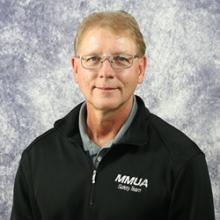
Joe Schmidt
Joe Schmidt
Assistant Director, Workplace Safety
Minnesota Municipal Utilities Association
Fason, Brent
Brent Fason
Safety Director
Conway Corporation
Ryan Thornberry
Training and Safety Manager
Danville Utilities, Virginia
Greg Labbe
Greg Labbe
Senior Operations Safety Specialist
American Public Power Association
Brackett Solomon
Solomon Brackett
Assistant General Manager
Troy Utilities, Alabama
Subscribe to