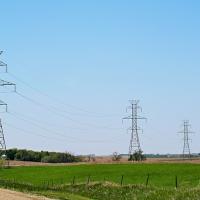
Extreme weather events continue to pose the greatest risk to the reliability and stability of the North American bulk power system, even though the system remains highly reliable and resilient, according to the latest assessment from the North American Electric Reliability Corporation.
Michigan State Reps. Jenn Hill and Donavan McKinney have introduced a two-bill package to help state residents, especially low-income residents, install battery storage systems and solar power systems at their homes and businesses.
The Board of Port Commissioners for the Port of Oakland, Calif., recently agreed to purchase up to $13.5 million worth of geothermal energy over 12 years.
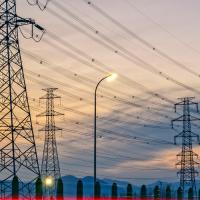
California community choice aggregator Clean Power Alliance has arranged for the issuance of its second municipal non-recourse Clean Energy Project Revenue Bond through the California Community Choice Financing Authority, the CCA said on June 20.
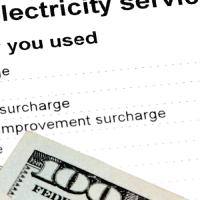
Florida public power utility Gainesville Regional Utilities is reducing its electric fuel adjustment on July 1, saving a residential electric customer using 1,000 kWh $15 a month, it said on June 26.
The American Public Power Association is offering new resources to its member utilities related to implementation of the Infrastructure Investment and Jobs Act, the Inflation Reduction Act, and other federal funding programs.