
As the threats to the resilience and reliability of the electric power grid caused by extreme weather events rise, the advantages of small modular reactors are becoming more apparent.
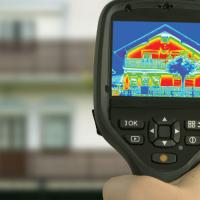
California community choice aggregator MCE recently released its 2022 energy efficiency annual report, which notes that its customers received over $2.35 million in rebates.
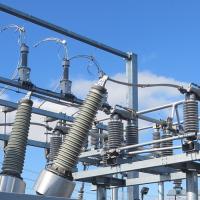
A new report issued by the Government Accountability Office highlights many issues that have been consistently raised by public power utilities related to the ongoing transformer supply chain crisis.
Electric Cities of Georgia and the Municipal Gas Authority of Georgia have formed a new partnership aimed at fostering statewide economic development.
New York Gov. Kathy Hochul on July 28 announced the creation of a new Inter-Agency Fire Safety Working Group to ensure the safety and security of energy storage systems across the state, following fire incidents at facilities in the state this summer.
The Florida Municipal Power Agency recently filed comments with the Environmental Protection Agency voicing concerns about EPA’s proposed greenhouse gas rule for electric utilities.