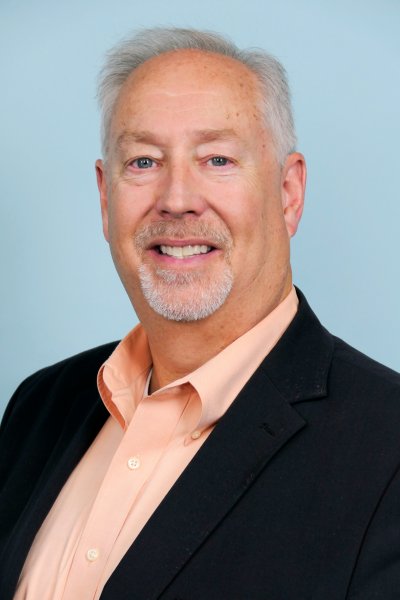
Brian Skelton has served as CEO of Riviera Utilities in Foley, Alabama since May 2024. His career in public power began at Memphis Light, Gas, and Water in Tennessee in 1985. His wealth of experience across numerous municipalities includes serving as the president of Tullahoma Utilities Authority in Tennessee, general manager of Bowling Green Municipal Utilities in Kentucky, and general manager of Opelika Power Services in Alabama. Skelton holds a Bachelor of Science in electrical engineering from the University of Tennessee and a Master of Science in engineering management from Christian Brothers University in Memphis. He was a 2012 recipient of the American Public Power Association’s James D. Donovan Individual Achievement Award and a 2015 recipient of APPA’s Kramer-Preston Personal Service Award.
What brought you to your career in public power?
I participated in the 4-H electric project in junior high and high school, and my uncle was a lineman for the local electric cooperative where I grew up, which gave me some exposure to the industry, though I didn’t head off to college knowing I was going to work for a utility. I was pretty good at math, so I studied electrical engineering. I went across the state to the University of Tennessee at Knoxville, which offered a cooperative education program where you could work five quarters before earning your degree, which gave me the opportunity to work for Memphis Light, Gas, and Water during college.
After I graduated, I spent about 12 years in various engineering and mid-level management positions at MLGW. I want to give credit to MLGW for being a great place to learn. I realized early on I wanted to manage people rather than just do engineering. Now, 41 years later, I’ve worked at five municipal utilities and have been fortunate to be the CEO of four of them.
What have you enjoyed most about working in public power?
I would say the people and the ethics. Public power is there to serve, not just make a paycheck. We of course want to make good money and pay our employees fairly, but we also want to save money and keep our rates low. It’s refreshing to focus on making the right decisions for your customers and your utility and not be driven by pressures that investor-owned utilities face, where you need to increase returns for stakeholders. The ethics in public power are superb, and people are here for the right reasons. I’ve worked across multiple locations, and each utility is motivated to serve its customers and keep rates low.
How would you describe your leadership philosophy?
One of my big priorities is to have an open-door policy. I always welcome employees to engage me and come visit my office, whether they just want to say hello or have a concern. We have a very small leadership team at Riviera Utilities — my direct leadership consists of a COO, a CAO, and a CFO. They’re very competent in what they do, and while I aim to provide guidance and oversight, I also try to get out of the way and let them lead their areas.
Riviera tends to promote a lot from within and build people up, and they hadn’t brought anybody into a leadership role with extensive experience in other utilities for a long time, if ever. So, I’ve tried to bring in new ideas while respecting the existing culture.
What are some of your plans and priorities for Riviera Utilities?
Managing growth is one of our biggest priorities. We’re also looking to expand our electric vehicle charging and are actively working with the communities we serve. [The cities of] Daphne and Spanish Fort are both on Interstate 10, so they have a lot of traffic there and are high priority for us. We have two fast chargers here at our headquarters in Foley that seem to be used more today than they were just two years ago when I first arrived at Riviera.
Riviera has essentially completed a fully functional, two-way AMI system. We put in remote disconnects on all our 200 residential and small commercial meters, which will allow us to disconnect and reconnect customers with a keystroke. It will also give us much more information at our fingertips. When customers have questions about their bill, we’ll have 30-minute increment breakdowns on their electric usage we can share with them.
We’re working on plans to put in a kiosk system in our two locations in 2026, which would allow customers to make credit card or cash payments 24 hours a day. We’d also like to add prepay electric to allow customers that don’t have the ability to make large deposits sign up for electricity and pay as they go.
What are you proudest of having achieved at Riviera Utilities so far?
Working to get our employees competitive compensation. We’re growing rapidly as a utility — we have about 60,000 electric customers right now and are on target to build a new substation every three to four years. This is in addition to 20,000 water customers, 9,000 wastewater customers, and 8,000 natural gas customers. Our board was very supportive in allowing us to bring salaries up to where our employees were being paid fairly for their service. Riviera is fortunate to have a team of really good employees, and I’m proud we’ve been able to ensure they receive the support they need as they continue putting in the hard work to modernize and expand our grid.