
Looking for research and development projects made possible through DEED grants and scholarships? Check out the DEED Project Database.
Trying to find information about specific public power utilities? If you are member, check out the Public Power Directory.

The Lower Colorado River Authority Board of Directors appointed Jim Travis as acting general manager and chief financial officer, effective March 12, following the departure of General Manager Phil Wilson.

The Federal Energy Regulatory Commission on Jan. 19 directed the North American Electric Reliability Corporation to develop and submit reliability standards requiring internal network security monitoring for high-impact bulk electric system cyber systems and medium-impact systems with high-speed internet connections.
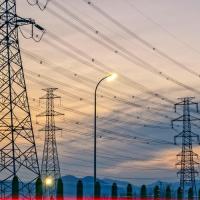
From pruning trees to equipment upgrades, Washington State’s Chelan PUD is investing in several projects to ensure the steady, safe delivery of electricity during fire season, it said on April 24.

A collection of perspectives from leaders of longtime APPA member utilities on how the association supports their work and how they serve their communities.
The Lower Colorado River Authority Board of Directors recently approved a business plan of about $577 million and authorized capital investments of about $1.32 billion for energy, water, and public service projects in fiscal year 2025.

Our new President and CEO, Joy Ditto, weighs in on the fresh perspective she's bringing back to public power after heading another association for four years.

An overview of how public power can take advantage of billions of dollars in funding for grid improvements, cybersecurity, and customer assistance.

Desmarie Waterhouse, the American Public Power Association’s Vice President, Government Relations & Counsel, and other APPA government relations staff on June 8 provided a detailed overview of public power’s legislative priorities including assistance for utilities related to the COVID-19 pandemic.

The Tennessee Valley Authority began allowing the local utilities it serves to generate up to 5% of energy from distributed resources, and public power utilities weigh in on what this new flexibility means for their customers.