Tom Barry was appointed CEO of Massachusetts Municipal Wholesale Electric Company in September 2025. He joined the joint action agency as director of energy markets in 2024. Barry’s expertise in the power sector has encompassed energy and environmental portfolio management alongside commercial optimization, operational management, organizational strategy, and risk management. He previously served as vice president at American Electric Power and held positions in wholesale power trading, derivative products origination, and finance at Phibro Energy.
The following is adapted from an episode of the Public Power Now podcast.
What have been your priorities since becoming CEO of MMWEC?
Taking over for Ron DeCurzio, who was the CEO for over 18 years, is a big undertaking. I’m humbled by the new responsibility but also excited. I believe the model that we have is the right model. I believe in the people I work with. I’ve inherited the best of the best, and my future success is directly tied to their success.
I’m focused on a seamless transition for the municipal light plants (MLPs) that we serve and want to ensure we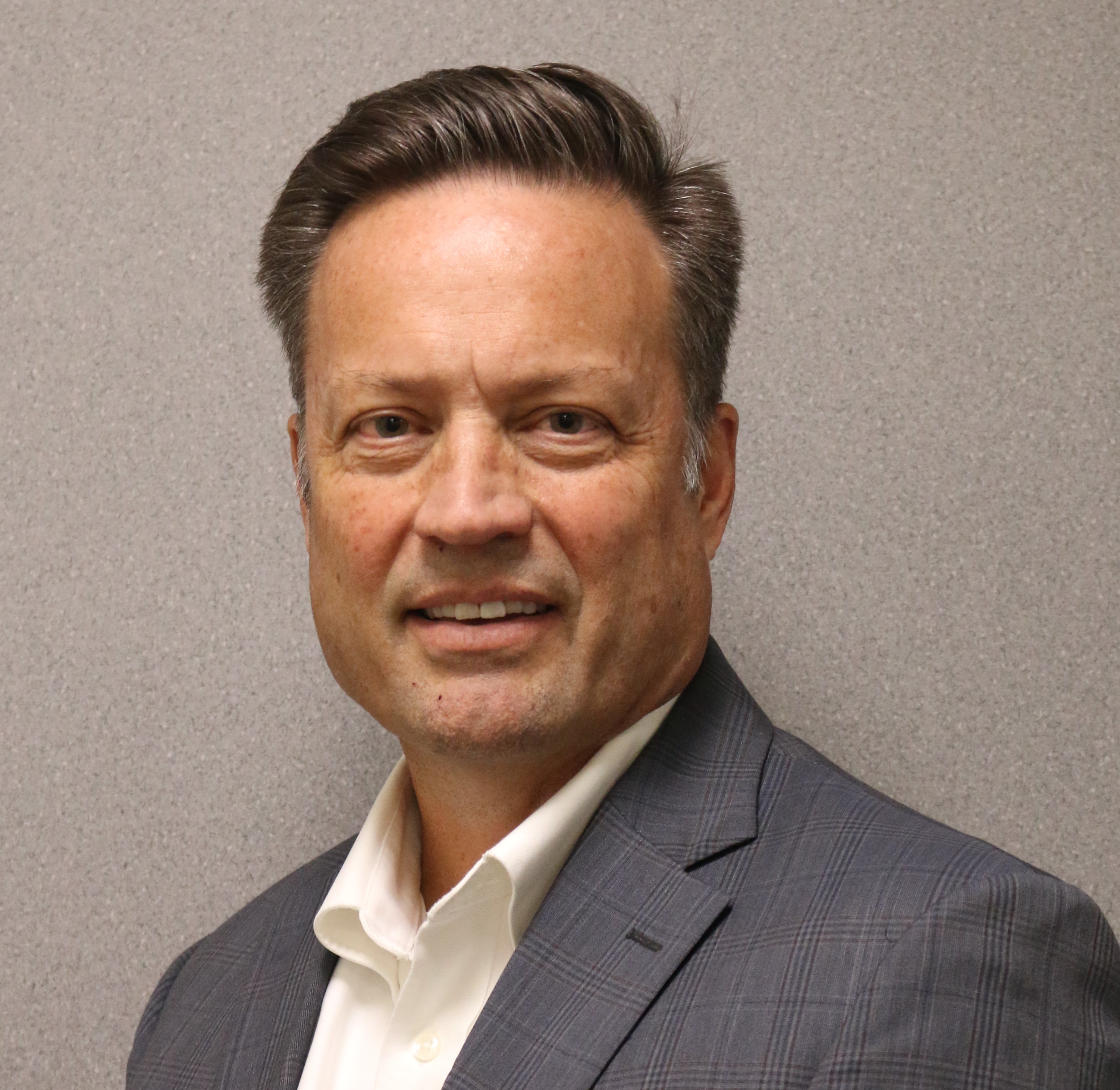 continue to build and improve on the services we provide. Before I moved into this new role, it was my goal as director of energy markets to meet face to face with people — both the general managers that we work with and the general managers of future members — and share our mission and model with them.
Something I’m focused on is changing our internal culture a bit. I want our staff to feel more empowered to have an entrepreneurial spirit. On my first official day, I brought the entire company into my office to discuss shifting the culture.
What kind of services does MMWEC offer member utilities?
The first and foremost is power supply. With the municipal light plants that we work, 80% of their costs are based on energy costs. So, our services as a joint action agency on the power supply front are paramount. We’ve made lots of changes on that front just within the two years I’ve been here.
On the hedging side, we’ve restructured it and made it more disciplined. We’ve incorporated more of a dollar cost-averaging approach than we had in the past, in that every single month on the 15th we go out and take a small bite of the apple for each MLP we represent.
What’s great about that is we have a wide range of municipal light plants within our system. As a joint action agency, we have this ability to do aggregated purchasing so smaller MLPs within our group can have the buying power of the larger MLPs. It really speaks to what joint action is all about.
Our resource development is exceptional as well. Based on our charter and the way we’re structured, we have unique financing abilities that allow us to explore new generation opportunities on behalf of our members. Our ability to raise capital toward that is of great importance to those we serve.
Could you describe the Connected Homes program and how your member utilities benefit from it?
Connected Homes is part of our NextZero program and an integral part of our business. We work with 2,000 different homes, and within those we work with 3,000 different devices. Those devices range from thermostats to electric vehicle chargers, residential batteries, mini-splits, and hot water heaters. We now manage 7 megawatts of peak load through our Connected Homes program.
Our ability to manage those devices to mitigate peak load has been especially helpful considering the levels that transmission and capacity charges have been at recently. We’re focused on mitigating those costs for our member utilities, and Connected Homes has been an effective way of doing so. I like that it’s both an automated and a flexible system. There’s optionality built into our Connected Homes program that allows customers to not lose control of what they want within their own home.
What are your goals for MMWEC going forward?
I’d like to explore expanding our footprint. There are 40 MLPs within the state of Massachusetts, and I’d like to pursue looking into other loads within the state that are traditional investor-owned utility loads. I feel that public power is the right model when it comes to supplying power.
New England is unique. We've been fortunate in the past to have lots of power coming south from Canada and we'll continue to have that. But that has been less available than it has in the past, so I'm a big advocate for diversity and energy independence and want to be part of bringing more generation into the region. I'd like to see more natural gas generation in the region, and in the longer term I'd like to be part of exploring nuclear generation as well.
More than anything, I’m excited to work with the staff we have here. We’ve got amazing people who are all doing great things for a great cause.